Discover Smiley Turtle: A Versatile Display Font for Your Next Editorial Project
As I embarked on redesigning the header for my lifestyle blog, I knew I needed a font that would not only catch the eye but also set the right tone. After sifting through countless options, I stumbled upon Smiley Turtle, and it was love at first sight.
A Cool and Techno-Looking Display Font
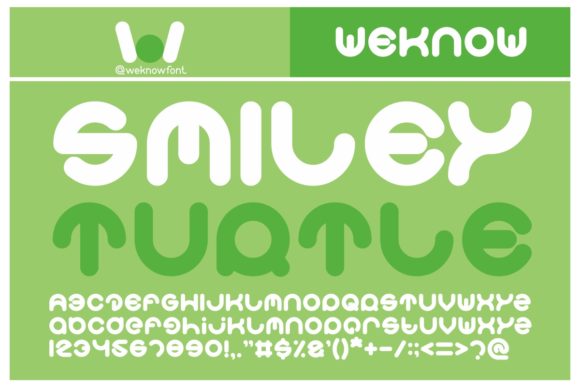
Smiley Turtle is a display font that exudes a cool, modern, and slightly playful vibe. Its techno-inspired design makes it perfect for contemporary projects, whether you're working on a blog, an ebook, or a digital magazine. The font's clean lines and unique character shapes give it a distinctive personality that can elevate any design.
Visual Character and Personality
The visual character of Smiley Turtle is both bold and inviting. Its rhythm and flow make it ideal for titles, headings, and any text that needs to stand out. The font's mood is energetic yet approachable, making it a great choice for a wide range of editorial designs. Whether you're creating a wedding guide, a coaching workbook, or a printable planner, Smiley Turtle can add a touch of sophistication and fun.
Editorial Appeal and Versatility
One of the most appealing aspects of Smiley Turtle is its versatility. It works beautifully in various contexts, from blog headers and article titles to magazine covers and ebook titles. For my lifestyle blog, I used Smiley Turtle for the main header, and it immediately gave the site a fresh, modern look. The font's ability to command attention without overwhelming the reader makes it a valuable asset in any designer's toolkit.
Supporting Visual Hierarchy and Reader Attention
When it comes to visual hierarchy, Smiley Turtle shines. Its bold and clear design helps to create a strong focal point, drawing the reader's eye to the most important elements of your content. This is particularly useful for blog headers, newsletter graphics, and chapter openers. By using Smiley Turtle for these key areas, you can ensure that your audience is engaged and focused on the right information.
Readability and Publication Identity
While Smiley Turtle is a display font and not intended for long-form reading, it still maintains a level of readability that makes it suitable for shorter text blocks. For instance, it works well for pull quotes, section headings, and cover text. When used in moderation, Smiley Turtle can enhance the overall readability of your publication by providing clear and visually appealing highlights.
Practical Font Pairing for Editorial Design
To create a balanced and cohesive design, it's essential to pair Smiley Turtle with complementary fonts. For body copy, a readable serif font like Garamond or a clean sans serif font like Helvetica can work well. This combination ensures that the text remains legible while allowing Smiley Turtle to take center stage in the more prominent areas of your design. For example, in my recipe ebook, I used Smiley Turtle for the chapter titles and a classic serif for the recipes themselves, creating a harmonious and professional look.
Realistic Examples and Use Cases
In my recent project, a digital magazine layout, Smiley Turtle was the perfect choice for the cover and major section headings. The font's modern and vibrant feel complemented the magazine's content, which focuses on technology and innovation. Similarly, for a coaching workbook, Smiley Turtle added a touch of professionalism and creativity to the title and section headings, making the workbook both engaging and easy to navigate.
Readability Considerations for Various Formats
When using Smiley Turtle in different formats, it's important to consider readability. For screen reading and mobile layouts, the font's bold and clear design works well, but it's best to use it sparingly to avoid overwhelming the reader. In PDF exports and print materials, Smiley Turtle retains its sharpness and clarity, making it a great choice for both digital and physical publications. For long-form content, such as ebooks or course PDFs, it's advisable to use Smiley Turtle for titles and headings, while opting for a more readable font for the body text.
Checking Included Styles and Licensing
Before incorporating Smiley Turtle into your projects, it's crucial to check the included styles, alternates, ligatures, weights, and multilingual support. This will help you make the most of the font's features and ensure that it meets your design needs. Additionally, be sure to review the commercial font licensing to confirm that it allows for use in ebooks, templates, printables, paid newsletters, client publications, or digital downloads. This step is vital to avoid any legal issues and to ensure that you can use the font with confidence.
In conclusion, Smiley Turtle is a versatile and stylish display font that can bring a fresh and modern touch to your editorial projects. Whether you're designing a blog header, an ebook, a newsletter graphic, or a digital magazine, Smiley Turtle offers endless possibilities to create a visually appealing and engaging experience for your readers. Give it a try and see how it can transform your next design project.